


How long does a wooden fork take to decompose?
Jun 19, 2024
Leave a message
In an era where environmental consciousness is on the rise, the question of how long it takes for a wooden fork to decompose is more relevant than ever. As the world grapples with the pressing issue of plastic pollution, many are turning to eco-friendly alternatives, such as wooden utensils, to reduce their environmental footprint. Understanding the lifecycle and decomposition process of wooden forks can provide valuable insight into their environmental benefits compared to traditional plastic cutlery.
The Problem with Plastic
To appreciate the advantages of wooden utensils, it's important to first recognize the challenges posed by plastic. In 2018 alone, more than 54 billion pounds of plastic ended up in U.S. landfills, where it can take up to 1,000 years to decompose. During this time, plastics can release harmful chemicals into the soil and water, contributing to pollution and posing a risk to wildlife and human health.
Disposable plastic utensils, such as forks, knives, and spoons, are particularly problematic. They require significant energy to produce, are often used only once, and then discarded. Most end up in landfills or as litter, where they persist for centuries. This unsustainable cycle highlights the need for alternatives that are less damaging to the planet.
The Wooden Alternative
Wooden utensils, on the other hand, offer a promising solution. When manufactured properly, they carry the same durable properties as plastic without the associated environmental stress. Their lifecycle, from tree growth to decomposition, respects and benefits the environment.
Phase 1: Tree Growth & Harvesting
The journey of a disposable wooden fork begins in the forest. Sustainable sourcing is crucial, and responsible manufacturers adhere to guidelines set by the Forest Stewardship Council (FSC), which ensures forests are managed and harvested responsibly. Unlike plastic, which relies on non-renewable resources like oil, wood is renewable. When a tree is harvested, new trees are planted in its place, maintaining the forest's ecological balance.
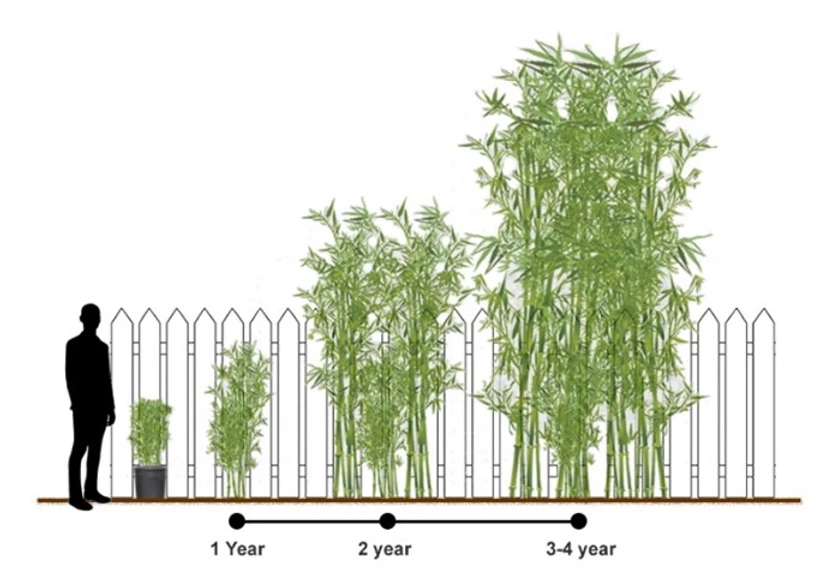
Birch and bamboo are the preferred materials for wooden utensils. Birch trees, known for their strength and ease of processing, take about 30 years to mature, while bamboo, one of the fastest-growing plants on Earth, takes only about 5 years. This rapid growth cycle makes bamboo an especially sustainable choice.
Phase 2: Processing
The environmental benefits of wooden utensils extend to their production process. Manufacturing plastic cutlery requires a significant amount of water, energy, and oil, leaving behind a trail of harmful chemicals. In contrast, the production of birch and bamboo utensils is far less resource-intensive and does not generate toxic byproducts.
Five major environmental factors underscore the superiority of wooden utensils over plastic:
- Zero harmful byproducts: Wooden utensils do not release toxic chemicals during production.
- Minimal water usage: The manufacturing process requires little to no water.
- Lower energy consumption: Producing wooden utensils consumes far less energy.
- Smaller global warming potential: The overall impact of climate change is significantly reduced.
- Reduced carbon emissions: Wooden utensils release less carbon dioxide into the atmosphere.
Phase 3: Use
Disposable wooden forks are commonly used in fast-food and fast-casual restaurants, both for dine-in and takeout orders. They offer a unique combination of aesthetics and functionality. Unlike their plastic counterparts, wooden forks are durable, comfortable to use, and capable of handling firm foods. While they are designed for single use, they can be washed and reused, extending their useful life.
Phase 4: Disposal & Composting
The true environmental advantage of wooden utensils becomes apparent at the end of their lifecycle. Unlike plastic utensils that have languished in landfills for centuries, wooden forks are fully compostable. After use, they can be combined with other organic waste materials and composted, returning valuable nutrients to the soil and reducing carbon dioxide emissions.
Composting can be done on both a commercial scale and in individual backyards. When composted, wooden forks decompose within a few months to a year, depending on environmental conditions. If a wooden fork inadvertently ends up in a landfill, it still decomposes much faster than plastic, typically within a few years, and without releasing harmful pollutants.
Conclusion: A Sustainable Choice
The decomposition of a wooden fork, from tree to soil, embodies a sustainable lifecycle that significantly mitigates environmental harm. By opting for wooden utensils over plastic, individuals and businesses can play a pivotal role in reducing plastic waste and promoting ecological balance. As we continue to face climate challenges, making conscious choices like using wooden forks can contribute to a healthier, more sustainable planet.
Send Inquiry