


Are Wooden Stirrers Better Than Plastic?
May 12, 2025
Leave a message
Discover whether wooden stirrers are better than plastic. Learn about their environmental impact, safety, and benefits for your business and sustainability goals.
1. Material Composition: What Are They Made Of?
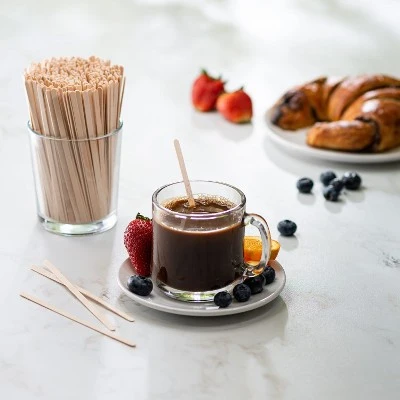
Wooden stirrers are typically made from birchwood or bamboo. These are natural, biodegradable materials sourced from renewable forests or fast-growing plants. Bamboo, in particular, is known for being one of the fastest-growing plants on Earth, making it a highly sustainable option.
Plastic stirrers, on the other hand, are usually made from polystyrene or polypropylene-both petroleum-based products. While lightweight and cheap, these materials are not biodegradable and often end up in landfills or oceans, where they can persist for hundreds of years.
2. Environmental Impact
One of the most compelling reasons to choose wooden stirrers is their eco-friendliness.
Biodegradability: Wooden stirrers naturally decompose in compost or landfill within months, whereas plastic stirrers may take up to 500 years to break down.
Recyclability: While plastics are technically recyclable, small items like stirrers often fall through the cracks in sorting facilities and are not recycled efficiently.
Ocean Pollution: Plastic stirrers contribute to microplastic pollution, harming marine life and entering the food chain.
3. User Experience: Functionality and Safety
From a practical standpoint, wooden stirrers offer several advantages:
No Melting or Warping: Unlike plastic stirrers, which may warp or release toxins when used in hot beverages, wooden stirrers remain stable.
No Chemical Leaching: Wood doesn't release harmful chemicals when it comes in contact with boiling liquids. Plastic, especially polystyrene, may leach styrene, a suspected carcinogen when heated.
Tactile Feel: Many users appreciate the natural texture and sturdiness of wooden stirrers, which don't feel flimsy or brittle.
4. Cost Comparison: Short-Term vs. Long-Term Thinking
Plastic stirrers may be slightly cheaper per unit, but many governments and organizations are now imposing plastic bans or taxes. This can increase the cost and complexity of sourcing and disposing of plastic products.
Wooden stirrers, though marginally more expensive upfront, may be less costly in the long run when considering environmental fees, reputation impact, and waste management costs.
5. Compliance and Regulations: Future-Proof Your Business
Due to rising environmental concerns, many countries are banning single-use plastics. The European Union banned plastic stirrers in July 2021 as part of its Single-Use Plastics Directive.
Businesses using wooden stirrers are more likely to stay compliant and ahead of the regulatory curve, avoiding potential fines or forced product changes.
6. Public Perception: Consumers Prefer Green Alternatives
Studies show that modern consumers, especially millennials and Gen Z, prefer eco-friendly brands. Using wooden stirrers can improve your brand image, aligning with corporate social responsibility goals and attracting sustainability-minded customers.
7. When to Choose Wooden Over Plastic
Wooden stirrers are ideal for:
* Coffee shops and cafés
* Offices
* Events with sustainability goals
* Travel and hospitality services
* Businesses avoiding plastic bans
Conclusion: Are Wooden Stirrers Better Than Plastic?
Yes-wooden stirrers are better than plastic in nearly every aspect. They are biodegradable, safe, renewable, and aligned with global sustainability goals. While plastic may win on cost in the short term, wooden stirrers offer long-term benefits for the planet, your business, and your customers.
If you're looking to make the switch to eco-friendly, high-quality wooden stirrers, explore our [https://www.birchcutlery.com/wood-coffee-stick/wooden-coffee-stirrer/] or contact us at [marketing@senyangwood.com] for custom options.
Send Inquiry